
Commissioners of the BSA Police
Identifying Commissioners of the British South Africa Police and the predecessor forces is not entirely clear cut in the earlier period of the force’s existence. Often, those placed in command were British military men, and not necessarily high ranking either. The BSA police was originally a mounted infantry regiment and during the early days army rankings were in use. This was the case until the Mundy Commission recommended change which saw the more frequent use of police ranking after World War II.

This page covers the periods outlined above and presents the Commissioners of Police in reverse chronological order, beginning with the most recent and moving retrospectively through the era. Each biography is structured to reflect the historical context of the office at the time the individual concluded his service.
Please note that these notable former members of the British South Africa Police should be listed on the genealogy website WikiTree, which is accessible to non-subscribers. If you are a descendant of any of these officers, you are encouraged to consider joining WikiTree and contributing to the development and preservation of their family histories.
Rhodesia UDI through to Zimbabwe
This section examines the Commissioners of Police whose service concluded between Rhodesia’s Unilateral Declaration of Independence on 11 November 1965 and the attainment of internationally recognised independence as Zimbabwe in April 1980. It encompasses the late UDI period, the transitional phase of Zimbabwe-Rhodesia in 1979, and the final months of the British South Africa Police before its formal dissolution. The office holders presented here led the Force during years of political isolation, escalating armed conflict, constitutional experimentation, and ultimately institutional transformation.
Peter Kevin Allum (3939) (1926–2015)
Peter Kevin Allum served as the final Commissioner of the British South Africa Police, presiding over the force during its last years and the formal cessation of the BSAP in 1980. A career detective who rose through the Criminal Investigation Department, his professional life reflected the growing centrality of investigative and security work in the late Rhodesian period.
Commissioner of Police
Commissioner:
7 February 1978 to 1 August 1980
Awards:
CLM; OLM; PLSM

He was born on 12 June 1926 at Isleworth, Middlesex, England, and educated at Gunnersbury Catholic Grammar School. During the closing stages of the Second World War he served in the Fleet Air Arm, an experience that preceded his decision to seek a career in Africa. He attested into the British South Africa Police on 28 April 1946 as part of the post-war intake often referred to within regimental history as the “Alcantara Draft”. Like many of his contemporaries he began in district duties, but he soon gravitated toward plain clothes work and thereafter spent the greater part of his service in the Criminal Investigation Department.
His postings included Beitbridge on immigration control, and later Umtali, Salisbury, Bulawayo and Gwelo. In the late 1940s he married Joycelyn Thorogood in Salisbury, establishing his family life during his early detective years. Commissioned as an officer in 1960, he entered the senior ranks at a time when CID responsibilities were expanding in response to political unrest and increasing insurgent activity. In 1963 he became provincial head of CID in the Midlands, transferring in 1967 to Salisbury and Mashonaland Province. On 1 October 1970 he was appointed Officer Commanding CID, placing him in charge of national investigative and security operations.
Promoted Deputy Commissioner (Crime and Security) on 7 February 1974, Allum was appointed Commissioner on 7 February 1978. His tenure encompassed the final years of the Bush War, the Internal Settlement period, and the transition to internationally recognised independence in April 1980. He remained in office until 1 August 1980, when the British South Africa Police ceased to exist and was succeeded by the Zimbabwe Republic Police.
After retirement he settled in South Africa. Peter Kevin Allum died at Carltonville, South Africa, on 17 April 2015


Deputy Commissioners
- Crime and Security – Denley, Jack (4261) (1923-1985) OLM; PCD; CPM; PLSM; RGSM – 7 February 1978 to 1 August 1980 (Cessation of the British South Africa Police). He continued as Deputy Commissioner of the Zimbabwe Republic Police until 6 February 1982 succeeding Allum as Commissioner.
- Administration – Atkinson, George (4094) (1923-1990) OLM; PCD; CPM; PLSM; RGSM 22 August 1977 to 22 September 1981
- Administration – Stuart, George Charles (4736) (b.1929) PMM, PLSM (and Bar), RGSM 22 September 1981 to 13 September 1983
- Personnel and Recruitment – Murray, Philip Stuart (4437) (1928-1995) PCD; PMM; PLSM; MLM; RGSM – ? to 1 May 1982 23
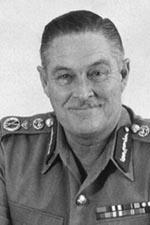
Peter Dennis Wray Richard Sherren (3862) (1920–1995)
Peter Dennis Wray Richard Sherren served the British South Africa Police from the eve of the Second World War to the closing years of the Rhodesian era, rising steadily through district and provincial commands before assuming the office of Commissioner in 1974. His career, marked by wartime interruption and long administrative service, typified the mid-century professional officer whose experience bridged empire and insurgency.
Commissioner of Police
Commissioner:
7 February 1974 to 6 February 1978
Awards:
CLM; OLM; PCD; PCM; PLSM
He was born on 16 August 1920 at Wimereux, France, the son of British parents, and was educated at Leigh Hall College in Essex, where he achieved sporting distinction. After a brief period in the family business, he elected for a career in Africa and attested into the British South Africa Police on 13 August 1939, just weeks before the outbreak of war in Europe. His early service was spent in district stations, learning the mounted and administrative routines of a force that still retained strong paramilitary characteristics.
During the Second World War he was seconded for active service, returning to Rhodesia in 1946 to resume police duties. The post-war years saw him build a solid reputation in district command. He was commissioned as an officer in October 1956, entering the senior ranks during the Federation period when policing structures were expanding and modernising. Thereafter he held command appointments in Umtali and Fort Victoria Districts and later at provincial level in Matabeleland. His administrative competence led to posting at General Headquarters, placing him within the executive structure of the force.
In 1970 he was promoted Deputy Commissioner (Crime and Security), assuming responsibility for oversight of criminal investigation and internal security during a period of intensifying guerrilla activity. On 7 February 1974 he succeeded Sydney Bristow as Commissioner of Police. His tenure coincided with escalating conflict in the north-east and the widening operational commitments of the force alongside military formations. Sherren served as Commissioner until 6 February 1978, when he retired after nearly four decades of service.
He remained in Rhodesia after retirement. Peter Dennis Wray Richard Sherren died in Harare on 16 August 1995, his seventy-fifth birthday.
Deputy Commissioners
- Crime and Security – Allum, Peter Kevin (3939) (b.1926 ) CLM; OLM; PLSM; RGSM – 7 February 1974 to 6 February 1978
- Administration – Jouning, Leonard James (3968) (1921-1980) OLM; PCD; CPM; PLSM; RGSM 8 July 1973 – to 21 August 1977 20
- Administration – Atkinson, George21 (4094) (1923 -1990 ) OLM; PCD; CPM; PLSM; RGSM 22 August 1977 to 22 September 1981 22
Sydney Frederick Samuel Bristow (3844)(1919-2008)
Sydney Frederick Samuel Bristow served as Commissioner of the British South Africa Police from June 1970 to February 1974, bringing to the office a long background in plain clothes work and intelligence operations. His leadership fell during a decisive phase of the escalating insurgency, when Special Branch and coordinated security structures were becoming central to national policy.
Commissioner of Police
Commissioner: 27 Jun 1970 – 6th Feb 1974
Awards:
CLM; PCD; CPM; PLSM; CPLSM
He was born in 1919 in Pietermaritzburg, Natal, South Africa, and educated at Maritzburg College, where he distinguished himself academically and in sport, later serving as head boy. He attested into the British South Africa Police in August 1939, entering service on the eve of the Second World War. Shortly thereafter he was seconded for active service in Abyssinia during the East African campaign. He returned to Rhodesia in 1946 and resumed police duties, soon transferring into the Criminal Investigation Department.
The post-war period saw him spend the greater part of his career in plain clothes appointments. He developed specialist experience in investigation and security matters, and in 1958 he was commissioned as an officer. Posted to Bulawayo Headquarters, and later to Salisbury when the administrative centre shifted, he moved steadily into senior command roles. In 1968 he assumed command of Special Branch, placing him at the centre of intelligence gathering and counter-subversion operations during a period of growing political tension. In January 1970 he was appointed Deputy Commissioner and simultaneously named Commissioner-designate.
Bristow became Commissioner of Police on 27 June 1970. His tenure coincided with the intensification of guerrilla infiltration and the increasing integration of police intelligence with military operations in operational areas. He retired on 6 February 1974 after nearly thirty-five years of service. He was married to Hilda Joan Godwin, whom he wed in the mid-1950s.
Sydney Frederick Samuel Bristow died in Harare on 18 July 2008, having witnessed the complete institutional transformation of the force he once commanded.

Deputy Commissioners
- Crime and Security – Sherren, Peter Dennis Wray Richard (3862) (1920-1995) CLM; GLM; OLM; PCD; PLSM; RGSM – 1 June 1970 – to 6 February 1974
- Administration – Bailey, Robert “Bill” John (3703) (1917-1987) PLSM – to 1 November 1971 17
- Administration – Allen, Thomas “Gubby” Digby (3779) (1918-1998) OLM; PCD; CPM; PLSM; RGSM – 2 November 1971 to 7 July 1973 18
- Administration – Jouning, Leonard James (3968) (1921-1980) OLM; PCD; CPM; PLSM; RGSM 8 July 1973 – to 21 August 1977 19
James Spink (3743) (1914-1997)
James Spink served as Commissioner of the British South Africa Police from January 1968 to June 1970, bringing to the office a background that combined British civilian policing with wartime military service and long experience in Rhodesian headquarters command. His tenure fell at a moment when security pressures were increasing and the force was adapting to the post-UDI political climate.
Commissioner of Police
Commissioner: 3-Jan-1968 to 26-Jun-1970
Awards:
ICD; QPM; CPM; PLSM
He was born on 26 June 1914 at Arbroath in Scotland and was educated at Stewart’s College in Edinburgh. After leaving school he entered the insurance profession but subsequently joined the Edinburgh City Police, where he served for four years and acquired grounding in structured urban policing before seeking opportunity overseas. He attested into the British South Africa Police in April 1938. His early service was cut short by the Second World War, during which he was seconded to the Rhodesian African Rifles and saw active service in Burma. He returned to Rhodesia in 1946 and resumed his police career.
Commissioned as an officer in 1949, Spink spent much of his senior service in Salisbury, reflecting steady advancement within the administrative and security hierarchy of the force. His experience encompassed district command and headquarters appointments during the Federation years, when policing responsibilities were expanding in scale and complexity. In November 1967 he was promoted Deputy Commissioner (Crime and Security), placing him in direct oversight of investigative and internal security functions at a time of growing insurgent activity.
On 3 January 1968 he succeeded Frank Barfoot as Commissioner of Police. His period in office coincided with the early phase of intensified guerrilla incursions and the consolidation of joint security arrangements between police and military authorities. He retired on 26 June 1970, his fifty-sixth birthday, after more than three decades of service.
James Spink later emigrated to Australia. He died in Perth on 24 January 1997.

Deputy Commissioners
- Crime and Security – Crabtree, William (3708) (b.1917) PCD; CPM; RGSM – 3 January 196815 to 31 May 1970
- Crime and Security – Sherren, Peter Dennis Wray Richard (3862) (1920-1995) CLM; GLM; OLM; PCD; PLSM; RGSM – 1 June 1970 – to 6 February 1974
- Administration – Bailey, Robert “Bill” John (3703) (1917-1987) PLSM – 27 November 1967 to 1 November 1971
- Bristow, Sydney Frederick Samuel (3844)(1919-2008) CLM, PCD; PLSM, CPM – January 1970 to 27 June 197016 (Bristow was appointed Deputy Commissioner and Commissioner Designate to assume command of the BSA Police on the retirement of Spink)
- Flower, Ken (3654)(1914-1987) MBE – 20 October 1961 to 30 June 1969 (Remained a Deputy Commissioner without portfolio on secondment to CIO from 12 September 1963 to 30 July 1969)
Frank Eric Barfoot (3342) (1913-1971)
Frank Eric Barfoot served as Commissioner of the British South Africa Police from April 1963 to January 1968, guiding the force through the turbulent years preceding and immediately following Rhodesia’s Unilateral Declaration of Independence. A lifelong Criminal Investigation Department officer, his career reflected the increasing importance of professional detective and security leadership within the evolving structure of the force.
Commissioner of Police
Commissioner:
26 April 1963 to 2 January 1968
Awards:
ID; CBE; QPM; CPM


He was born on 2 January 1913 at Claremont in the Cape Province of South Africa and educated at Rondebosch Boys’ High School in Cape Town. After leaving school he was employed as an accounting clerk before electing to pursue a police career in Rhodesia. He attested into the British South Africa Police in April 1933. His early service was spent largely in the Criminal Investigation Department, where he developed expertise in investigative procedure at a time when the CID was expanding its institutional influence within the force.
Barfoot was commissioned as an officer in 1947. During the post-war years he held command appointments in Salisbury, Bulawayo and Gwelo, building a reputation as a disciplined administrator and experienced detective officer. In 1960 he was appointed Officer Commanding CID, thereby assuming responsibility for national investigative operations during a period marked by rising nationalist activity and mounting political tension. Later that year he was promoted Deputy Commissioner (Crime and Security), placing him directly beneath the Commissioner in oversight of criminal investigation and internal security matters.
On 26 April 1963 he was appointed Commissioner of Police. His tenure encompassed the final phase of Federation, the constitutional disputes between Salisbury and London, and the declaration of independence in November 1965. Under his leadership the force confronted increasing political unrest and the early stages of organised insurgent infiltration. He was awarded the Colonial Police Medal in 1955, the Queen’s Police Medal in 1961, and was appointed Commander of the Order of the British Empire in 1964.
Frank Eric Barfoot retired as Commissioner on 2 January 1968, his fifty-fifth birthday. He died in Salisbury on 27 September 1971.

Deputy Commissioners
- Crime and Security – Flower, Ken (3654)(1914-1987) MBE – 26 April 1963 to 30 June 1969 (seconded to CIO 12 September 1963 but retained rank of Deputy Commissioner)8
- Crime and Security – Blowers, Harry Branton (3529) (1912-1999) CPM; PLSM – 1 July 1963 to 26 November 19679
- Crime and Security – Spink, James (3743) (1914-1997) ICD; PLSM – 27 November 1967 to 2 January 1968 10
- Administration – Harries, George Mervyn11 (3369) (1912-2001) ICD; OBE; CPM; PLSM – 26 April 196312 to 19 October 196713
- Administration – Bailey, Robert “Bill” John (3703) (1917-1987) PLSM – 20 October 1967 to 1 November 1971
The Federal Era Through to Rhodesia UDI
The Federation of Rhodesia and Nyasaland was inaugurated on 1 August 1953, creating a new constitutional framework that reshaped administrative and security responsibilities across the three territories. The Commissioners of this period led the Force through the complexities of federal integration while confronting the increasingly turbulent rise of African nationalism, marked by organised political mobilisation, civil unrest, and mounting constitutional challenge in the years preceding the dissolution of the Federation in 1963.
Spurling, Basil Gordon (3100) ( 1908-1991)
Basil Gordon Spurling served the British South Africa Police for nearly three decades and rose to the office of Commissioner in 1958, bringing to the post a commanding provincial presence and a reputation for firm, visible leadership. His commissionership fell during the late Federal period, when the Force was balancing traditional territorial duties with expanding security responsibilities.
Commissioner of Police
Commissioner:
13-Mar-1958 to 25-Apr-1963
Awards:
CBE; CPM; QPM
He was born in 1908 and joined the British South Africa Police in 1929, entering a Force that still retained strong mounted and frontier traditions. His early service was spent in district postings where practical command, patrol discipline, and administrative magistracy shaped his outlook. Commissioned as an officer during the pre-war years, he advanced through a series of command appointments that established him as a senior provincial figure. His period in Matabeleland Province in particular made him widely known to junior members as an exacting and highly visible commander, attentive to discipline and turnout.
By the later 1950s Spurling had moved into the upper echelon of the Force. On 13 March 1958 he was appointed Commissioner of Police. His tenure coincided with increasing political mobilisation within the Federation and the steady growth of Special Branch and coordinated security planning. While the Force still maintained its rural and urban policing functions, it was increasingly conscious of organised nationalist movements and the need for structured intelligence work.
Spurling retired in 1960 after more than thirty years of service. In later life he remained associated with Salisbury’s civic and veteran communities and was formally recognised for his public service. He died in 1991.

Deputy Commissioners
- Crime and Security – Borland, Robert Hugh (3306) CPM – 13 March 1958 to 30 September 1960
- Crime and Security – Barfoot, Frank Eric (3342) (1913-1971) ID; CBE; QPM; CPM – 1 October 1960 7 – 25 April 1963
- Administration – Rolfe, Graham Sydney (2934) CPM – 1 July 1960 to 28 February 1961
- Administration – Flower, Ken (3654)(b.1937-d.) MBE – 1 March 1961 to 25 April 1963
Jackson, Harold (2853) (1903 -1998 )
Harold Jackson served the British South Africa Police from 1927 and ultimately became Commissioner during the mid-1950s, representing the ascendency of the Criminal Investigation Department within senior leadership. His career was distinguished by long specialist service in investigation and headquarters administration.
Commissioner of Police
Commissioner: 6-Nov-1955 to 12-Mar-1958
Awards:
CBE; KPM; CPM
Born in 1903, Jackson joined the British South Africa Police in 1927 and entered the Criminal Investigation Department within a few years of attestation. From approximately 1930 until 1954 he served predominantly in plain clothes duties, developing expertise in investigative procedure during a period when CID was consolidating professional standards and expanding its operational reach. Commissioned as an officer as he rose through the ranks, he moved into senior appointments that combined investigative oversight with administrative command.
He became Commissioner of Police in 1955. His period in office fell within the Federal era, when policing responsibilities were widening across growing urban centres and political tensions were becoming more pronounced. Jackson’s background in investigation shaped his approach to command, with emphasis on structured inquiry and headquarters coordination. His tenure bridged the late post-war reforms and the more security-conscious climate that characterised the late 1950s.
He retired from the Force in the latter half of the decade and remained part of the broader BSAP community in retirement. Harold Jackson died in 1998.

Deputy Commissioners
- Spurling, Basil Gordon (3100) (1908-1991) CBE; CPM; QPM – 6 November 1955 to 12 March 1958
Hickman, Arthur Selwyn (2622) (1900-1976)
Arthur Selwyn Hickman served the British South Africa Police from the early 1920s and became Commissioner in 1954, concluding his career at the head of the Force during the formative years of the Federation. His service bridged inter-war consolidation, wartime interruption, and post-war professional reform.
Commissioner of Police
Commissioner: 6-Nov-1955 to 12-Mar-1958
Awards:
OBE; QPM; CPM
Born in 1894, Hickman entered the BSA Police in 1924 after earlier service during the First World War. His early years were spent in rural district stations, where mounted patrol and administrative responsibilities remained central to policing. Commissioned as an officer during the inter-war period, he advanced steadily through district and provincial commands. The Second World War again drew on senior officers for temporary military responsibilities, after which he resumed police command duties.
By the early 1950s Hickman had reached the senior ranks. In 1954 he was appointed Commissioner of Police, leading the Force during the first full year of Federal administration. His tenure was marked by administrative consolidation and by the continued development of investigative and security structures within a Force that was adapting to growing urbanisation and political awareness.
He retired in 1955 after more than three decades of service. In retirement he became closely associated with historical and archival work relating to Rhodesian pioneers and policing history. He died on 23 July 1976.

Deputy Commissioners
- Jackson, Harold; (2853) (1903 -1998 ) CBE; KPM; CPM; Colonel – Commissioner: 6 November 1954 to 5 November 1955
Appleby, James (2123) (1899-1995)
James Appleby served the British South Africa Police for over thirty years and became Commissioner in 1950, guiding the Force through the immediate post-war reconstruction and into the early years preceding Federation. His career combined wartime service, administrative reform, and a strong regimental ethos.
Commissioner of Police
Commissioner:
7-Dec-1950 to 2-Jun-1954
Awards:
CBE; KPM
Born on 11 June 1899 in England, Appleby served during the First World War with the Royal Flying Corps and later the Royal Air Force, gaining operational experience in France and surviving a serious flying accident. After demobilisation he emigrated to Southern Rhodesia and attested into the British South Africa Police on 26 October 1919 as Trooper, Regimental Number 2123. His advancement was rapid; he was commissioned as an officer in September 1924 and thereafter held district and headquarters appointments across the territory.
During the Second World War he commanded BSAP contingents deployed in support of British operations in East Africa, contributing to the reorganisation of policing in occupied territories before returning to Rhodesia for senior command duties. Promoted Deputy Commissioner in 1948, he was appointed Commissioner of Police on 7 December 1950.
His tenure addressed post-war shortages in manpower and equipment, expanding recruitment and strengthening organisational structure. He retired on 2 June 1954 after nearly thirty-five years of service. James Appleby died in 1985.

Deputy Commissioners
- Hickman, Arthur Selwyn; (2622) (1900 -1976 ) OBE; QPM; CPM; 7 December 1950 to 3 June 1954
Self Government though to Federation
Responsible Government in Southern Rhodesia commenced on 1 October 1923, marking the transition from Company rule to self-governing colony under the British Crown. The Commissioners of this period led the British South Africa Police through administrative consolidation, territorial development, and the gradual expansion of urban and rural policing responsibilities. Their tenure spanned inter-war reform, economic depression, and the demands of the Second World War, laying institutional foundations later inherited by the Federal era.
Ross, John Ellis ‘Jack’ (1771) (1893-1965)
Your content goes here.
Commissioner of Police
Commissioner:
7 February 1978 to 1 August 1980
Awards:
CLM; OLM; PLSM
Your content goes here.

Deputy Commissioners
- Crime and Security
Morris, John Sidney (1119) (1890-1961)
Your content goes here.
Commissioner of Police
Commissioner:
7 February 1974 to 6 February 1978
Awards:
CLM; OLM; PCD; PCM; PLSM
Your content goes here.

Deputy Commissioners
- Crime and Security
Stops, George (1876-1940) CBE
Your content goes here.
Commissioner of Police
Commissioner: 24-Jan-1970 - 24-jan-1970
Awards:
QPM;
Your content goes here.

Deputy Commissioners
- List item one
- List item two
- List Item three
Tomlinson, Alfred James (1879-1926)
Your content goes here.
Commissioner of Police
Commissioner: 24-Jan-1970 - 24-jan-1970
Awards:
QPM;
Your content goes here.

Deputy Commissioners
- List item one
- List item two
- List Item three
Capell, Algernon Essex (1869-1952)
Your content goes here.
Commissioner of Police
Commissioner: 24-Jan-1970 - 24-jan-1970
Awards:
QPM;
Your content goes here.

Deputy Commissioners
- List item one
- List item two
- List Item three
Post 1903 Amalgamation to Self Government
The several policing bodies operating in Southern Rhodesia were amalgamated in 1903, bringing together disparate colonial and paramilitary formations into a more unified structure. In 1906 the title British South Africa Police was formally adopted, consolidating the Force under a single identity. The Commissioners of this period led a constabulary still shaped by frontier conditions, territorial patrol, and administrative magistracy, guiding it through early institutional formation until the advent of Responsible Government in 1923.
Next Item 1903- 1923
Peter ...
Commissioner of Police
Commissioner:
7 February 1978 to 1 August 1980
Awards:
CLM; OLM; PLSM
He was...
Deputy Commissioners
- Crime and Security – Denley, Jack (4261) (1923-1985) OLM; PCD; CPM; PLSM; RGSM – 7 February 1978 to 1 August 1980 (Cessation of the British South Africa Police). He continued as Deputy Commissioner of the Zimbabwe Republic Police until 6 February 1982 succeeding Allum as Commissioner.
- Administration – Atkinson, George (4094) (1923-1990) OLM; PCD; CPM; PLSM; RGSM 22 August 1977 to 22 September 1981
- Administration – Stuart, George Charles (4736) (b.1929) PMM, PLSM (and Bar), RGSM 22 September 1981 to 13 September 1983
- Personnel and Recruitment – Murray, Philip Stuart (4437) (1928-1995) PCD; PMM; PLSM; MLM; RGSM – ? to 1 May 1982 23
Next Item 1903- 1923
Peter ...
Commissioner of Police
Commissioner:
7 February 1974 to 6 February 1978
Awards:
CLM; OLM; PCD; PCM; PLSM
He was ...
Deputy Commissioners
- Crime and Security – Allum, Peter Kevin (3939) (b.1926 ) CLM; OLM; PLSM; RGSM – 7 February 1974 to 6 February 1978
- Administration – Jouning, Leonard James (3968) (1921-1980) OLM; PCD; CPM; PLSM; RGSM 8 July 1973 – to 21 August 1977 20
- Administration – Atkinson, George21 (4094) (1923 -1990 ) OLM; PCD; CPM; PLSM; RGSM 22 August 1977 to 22 September 1981 22
Next Item 1903- 1923
Your content goes here....
Commissioner of Police
Commissioner: 24-Jan-1970 - 24-jan-1970
Awards:
QPM;
Your content goes here. Edit or remove this text inline or in the module Content settings. You can also style every aspect of this content in the module Design settings and even apply custom CSS to this text in the module Advanced settings.
Deputy Commissioners
- List item one
- List item two
- List Item three
Pre 1903 Amalgamation
The several policing bodies operating in Southern Rhodesia were amalgamated in 1903, bringing together disparate colonial and paramilitary formations into a more unified structure. In 1906 the title British South Africa Police was formally adopted, consolidating the Force under a single identity. The Commissioners of this period led a constabulary still shaped by frontier conditions, territorial patrol, and administrative magistracy, guiding it through early institutional formation until the advent of Responsible Government in 1923.
Next Item Pre 1903
Peter ...
Commissioner of Police
Commissioner:
7 February 1978 to 1 August 1980
Awards:
CLM; OLM; PLSM
He was born on 12 June 1926 at Isleworth, Middlesex, England, and educated at Gunnersbury Catholic Grammar School. During the closing stages of the Second World War he served in the Fleet Air Arm, an experience that preceded his decision to seek a career in Africa. He attested into the British South Africa Police on 28 April 1946 as part of the post-war intake often referred to within regimental history as the “Alcantara Draft”. Like many of his contemporaries he began in district duties, but he soon gravitated toward plain clothes work and thereafter spent the greater part of his service in the Criminal Investigation Department.
His postings included Beitbridge on immigration control, and later Umtali, Salisbury, Bulawayo and Gwelo. In the late 1940s he married Joycelyn Thorogood in Salisbury, establishing his family life during his early detective years. Commissioned as an officer in 1960, he entered the senior ranks at a time when CID responsibilities were expanding in response to political unrest and increasing insurgent activity. In 1963 he became provincial head of CID in the Midlands, transferring in 1967 to Salisbury and Mashonaland Province. On 1 October 1970 he was appointed Officer Commanding CID, placing him in charge of national investigative and security operations.
Promoted Deputy Commissioner (Crime and Security) on 7 February 1974, Allum was appointed Commissioner on 7 February 1978. His tenure encompassed the final years of the Bush War, the Internal Settlement period, and the transition to internationally recognised independence in April 1980. He remained in office until 1 August 1980, when the British South Africa Police ceased to exist and was succeeded by the Zimbabwe Republic Police.
After retirement he settled in South Africa. Peter Kevin Allum died at Carltonville, South Africa, on 17 April 2015
Deputy Commissioners
- Crime and Security – Denley, Jack (4261) (1923-1985) OLM; PCD; CPM; PLSM; RGSM – 7 February 1978 to 1 August 1980 (Cessation of the British South Africa Police). He continued as Deputy Commissioner of the Zimbabwe Republic Police until 6 February 1982 succeeding Allum as Commissioner.
- Administration – Atkinson, George (4094) (1923-1990) OLM; PCD; CPM; PLSM; RGSM 22 August 1977 to 22 September 1981
- Administration – Stuart, George Charles (4736) (b.1929) PMM, PLSM (and Bar), RGSM 22 September 1981 to 13 September 1983
- Personnel and Recruitment – Murray, Philip Stuart (4437) (1928-1995) PCD; PMM; PLSM; MLM; RGSM – ? to 1 May 1982 23
Next Item Pre 1903
Peter ...
Commissioner of Police
Commissioner:
7 February 1974 to 6 February 1978
Awards:
CLM; OLM; PCD; PCM; PLSM
He was born ...
Deputy Commissioners
- Crime and Security – Allum, Peter Kevin (3939) (b.1926 ) CLM; OLM; PLSM; RGSM – 7 February 1974 to 6 February 1978
- Administration – Jouning, Leonard James (3968) (1921-1980) OLM; PCD; CPM; PLSM; RGSM 8 July 1973 – to 21 August 1977 20
- Administration – Atkinson, George21 (4094) (1923 -1990 ) OLM; PCD; CPM; PLSM; RGSM 22 August 1977 to 22 September 1981 22
Next Item Pre 1903
Your content goes here...
Commissioner of Police
Commissioner: 24-Jan-1970 - 24-jan-1970
Awards:
QPM;
Your content goes here...
Deputy Commissioners
- List item one
- List item two
- List Item three